South Sudan Must Turn Climate Preparedness into Early Action as Flood and Drought Risks Persist
South Sudan faces an urgent need to strengthen its preparedness for climate-related disasters as communities continue to confront flooding, changing rainfall patterns and risks to food and water security. These challenges threaten livelihoods, disrupt access to essential services and place additional pressure on already vulnerable households.
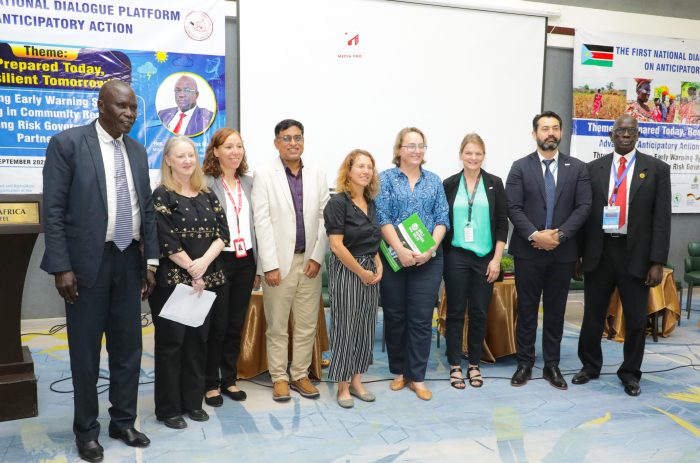
In September 2026, the Government of South Sudan convened the country’s first National Dialogue Platform on Anticipatory Action in Juba. The meeting brought together approximately 125 representatives from government institutions, United Nations agencies, donors, civil society, academia, the media and regional organisations to advance preparedness for climate-related shocks, including floods and droughts.
The initiative represents an important opportunity to shift from responding to disasters after they occur towards taking practical measures before their impacts escalate.
Why anticipatory action matters
Anticipatory action involves using forecasts, early-warning information and agreed response plans to reduce the impact of an impending disaster before it reaches its peak. Depending on the local risks, this may include preparing evacuation routes, protecting water sources, moving livestock to safer areas, safeguarding essential supplies and supporting households whose livelihoods are threatened.
However, early warnings alone are insufficient. Communities need timely information they can understand, accessible resources, coordinated institutions and clear procedures for acting on warnings.
Priorities for climate resilience
To translate preparedness commitments into practical results, South Sudan should strengthen collaboration between national and local authorities, humanitarian organisations, environmental institutions and community structures.
Key priorities include:
- Improving access to reliable, locally relevant weather forecasts and early-warning information.
- Supporting flood-risk mapping and community-led disaster preparedness.
- Protecting water sources, sanitation facilities, farmland and essential infrastructure.
- Strengthening climate-resilient agriculture and livelihood diversification.
- Ensuring that women, young people, persons with disabilities and other at-risk groups participate in preparedness planning.
- Financing locally led adaptation and monitoring whether interventions reduce losses.
The role of environmental organisations
Civil society organisations can help bridge the gap between climate information and community action. Through environmental education, community mobilisation, local risk assessments and partnerships with public institutions, organisations can support communities in understanding risks and developing practical responses.
For CEA-SS, strengthening climate resilience must go hand in hand with sustainable natural-resource management, environmental protection and inclusive community participation.
The way forward: South Sudan must make early action a practical, adequately resourced component of climate resilience. Preparedness is most effective when forecasts reach communities in time, institutions coordinate their responses and vulnerable households have the means to act.